10 Things I Learned From My First All-Nighter
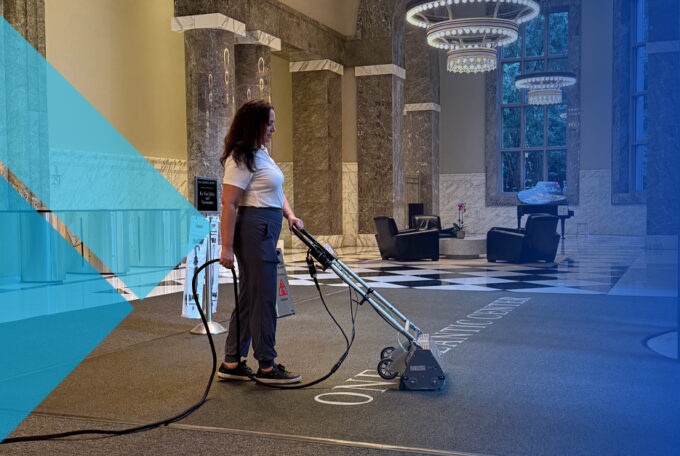
Recently Steve Brown and I started a multi-surface commercial cleaning job at 7 PM. We finished at 4 AM. After van load time and the drive home, we got to bed around 5:30 AM.
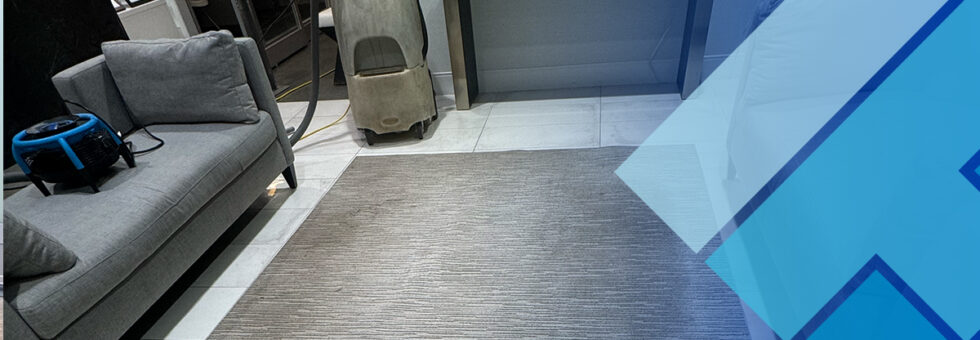
When we scheduled the job, the scope was manageable: cleaning tile and grout, a few sofas and chairs, and a couple of rugs. But the job didn’t go as planned. Some of the delays were out of our control. Some were the result of our own decisions. And all of it taught me something about the work, the process, and myself.
Here’s what stuck with me.

- Five hours turned into nine before I even realized it.
“Out by midnight” was the plan in my mind, until the job started shifting. One thing after another added time. I’m learning that on these kinds of jobs, time targets are helpful, but finishing well matters more than finishing fast. - Bringing everything in up front felt efficient, until it wasn’t.
We thought we were saving time, but without a staging area, we ended up working around our own equipment. I can see now that sometimes the smarter move is to evaluate the layout, the surfaces, and the flow, then adjust as we go. - One broken machine slowed us down. Two changed how we worked.
When the first machine failed, we pivoted. When the second did, we had to get more resourceful. Having options is important, but knowing how to move when we don’t have them is what makes us better. - Too much detergency wrecked our rhythm.
The customer warned us ahead of time that the janitorial staff had tried to clean the rugs using bonnet shampoo, so we came prepared with defoamer. But the amount of foam we encountered was beyond anything Steve had ever seen on a job. It overwhelmed our portable repeatedly. We had to stop, clear it, clean more, then stop again. That kind of disruption tested my patience and our process. - Some wear only shows up after the soil is gone.
The rugs were heavily soiled, and we suspected there might be some damage, but we didn’t know the full extent of the issues with the fibers until we started removing the soil. What really made them look rough wasn’t just the dirt, but the wear beneath. That reminded me to manage expectations and to look past surface-level problems. - No ramp means more than just inconvenience.
The janitor’s closet was down a flight of stairs. No ramp, no easy access. We used a small lift tucked in a closet to move heavy, water-filled equipment. Then had to haul it through small offices and long hallways to reach the actual space being cleaned. Layout impacts labor more than most people realize. - When the stairs become part of the job, everything compounds.
Those same stairs? When we arrived on site, the customer requested we clean them too. It was a fair ask, and we said yes, but it added more time, more effort, and more to think through. It reminded me how quickly a manageable job can shift when even one extra task is added. - Communication changed once the machines turned on.
With multiple loud pieces of equipment running simultaneously, we stopped talking and started signaling. We used glances, hand gestures, head nods. I had to stay tuned in to Steve, and he to me. That kind of communication only worked because we were both paying attention. - Steve’s experience filled the gaps when my plan fell apart.
We didn’t have a backup for everything that went wrong that night, but I took notice of how Steve moved through it. His training, his instinct, and his deep understanding of how equipment, chemistry, and process work together is what kept us going. Just staying close and watching him solve one thing at a time taught me more than I expected. - I didn’t really understand the job until I was in it.
We went in prepared with a solid plan, but I learned that none of that shows you the full picture. The job doesn’t fully reveal itself until the machines are running and the soil starts to move. That’s when I saw what we were really dealing with. It reminded me that preparation matters, but presence is what makes you a technician.
It wasn’t the night I expected, but it showed me where I’m growing, what I still need, and why this work matters.
I thought we were in for a late-night job. I ended up working my first true all-nighter and learning from every minute of it.