
Why Floorcare Vendors Often Settle the Tab on Commercial Renovation Projects
A few years ago Steve and I met up with close friends, along with a few other couples, at a bar in Atlanta. Our group gathered around a table and started ordering drinks and food. To make it easier for our server, someone suggested putting everything on one tab. As couples left throughout the night, they checked the bill, settled their portion, and headed out.
Steve and I were the last ones at the table, and when we saw the final amount, it was obvious that agreeing to one bill didn’t work out the way we expected. Whether from underestimating their share, forgetting items, or simply rounding down, we had to deal with what the others left behind – a $500 tab.
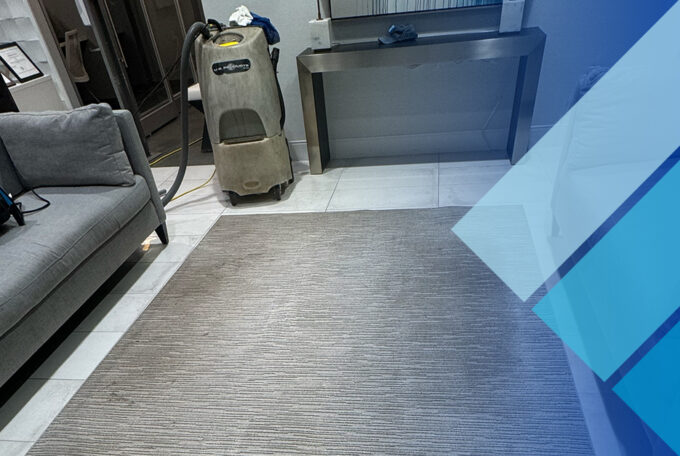
In commercial renovation and turnover work, floorcare vendors often find themselves in a similar situation. A recent job illustrates the point. When Steve and I arrived to clean carpet in a vacant commercial suite, the floor was covered in drywall dust and debris, with small paint drips scattered throughout. That was not the condition of the carpet when we originally evaluated the space.
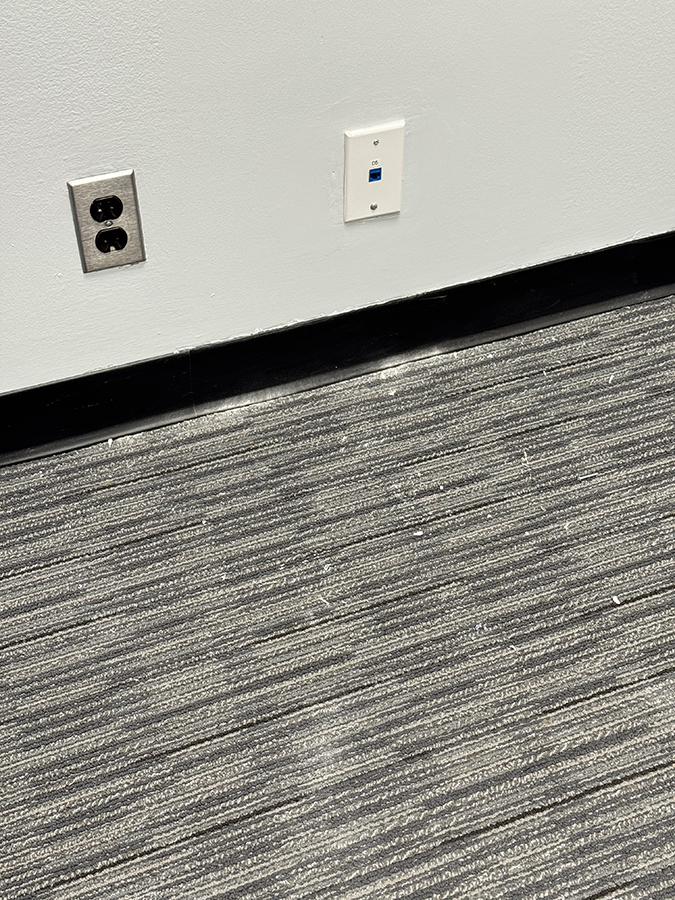
Just like that night at the bar, we were dealing with what someone else had left behind.
What We Saw vs. What We Expected
During our earlier site visit with the property manager, there was some obvious soiling, but nothing unusual for a routine cleaning. No significant wear or damage. She mentioned painters would be coming in first and that she would schedule us afterward for the cleaning. Steve said what he always says in those situations: make sure the carpet is properly protected so paint drips, Sheetrock dust, and debris don’t end up in the pile.
When we returned to clean the space a few days later, the condition of the carpet had changed.
When the Scope of Work Changes
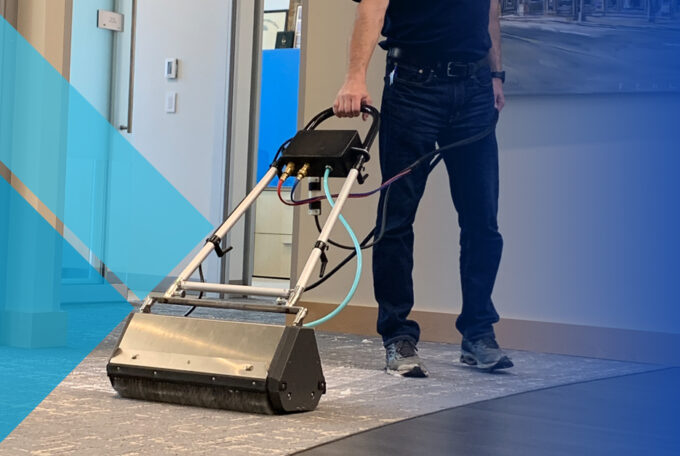
Instead of starting with spot treatment and low-moisture cleaning, we first had to focus on dry soil removal to deal with the drywall dust and other construction debris. After that came the carpet cleaning itself, followed by additional adhesive spot treatment to deal with the paint drips.
Same square footage. Completely different workload.
The Reality of Multi-Trade Projects
When the floors are scheduled to be cleaned last, protecting the carpet can sometimes fall lower on the priority list. Each trade is focused on completing its own scope of work, often within a tight schedule, and when everyone knows the floor will ultimately be cleaned before the space is turned over, it can be easy to assume the final cleaning will take care of whatever lands there along the way.

By the time the floorcare professionals arrive, the condition of the carpet may be very different from what was originally observed during the site visit.
That doesn’t necessarily reflect poor work by the other trades. It simply shows how projects unfold when several vendors share the same space and the cleaning is scheduled at the end.
When everything goes smoothly, the final cleaning looks exactly as planned. But when the condition of the floor changes during the course of a project, someone still has to deal with what everyone else left behind.
The last trade on the job is often the one who settles the tab.